Progressive Web Application Development – Explained
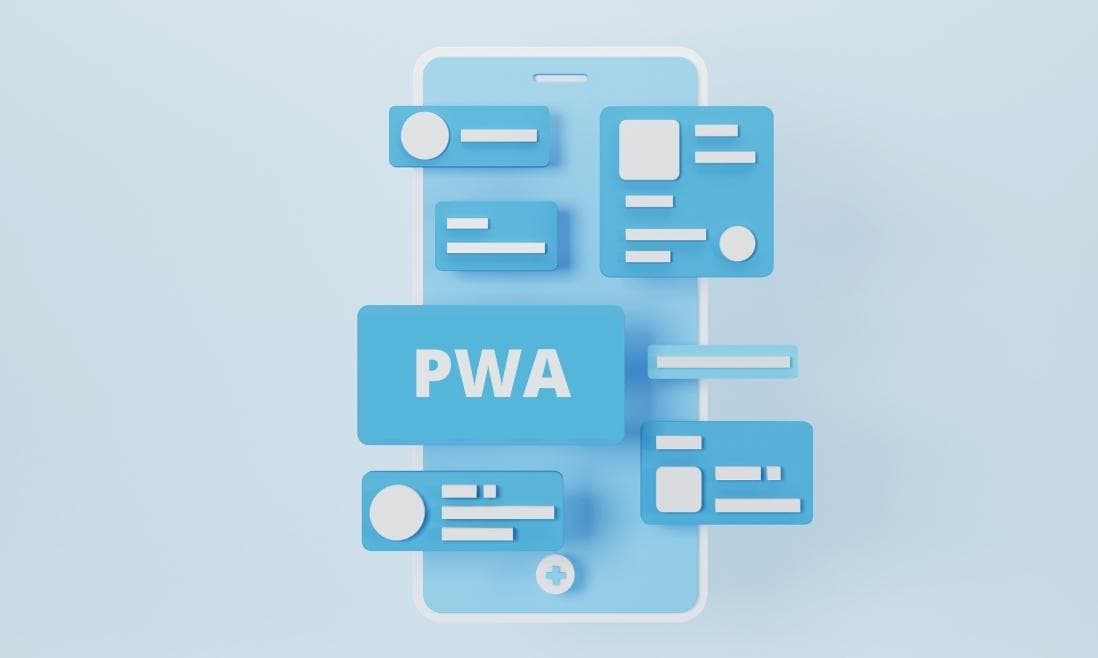
Progressive Web Application Development – Explained
The future of the web is fast, reliable, and immersive — and Progressive Web Applications (PWAs) sit right at that intersection.
They merge the accessibility of a website with the functionality of a native mobile app, giving users the best of both worlds — smooth interactions, offline support, and lightning-fast performance.
PWAs are no longer an emerging concept. They're the foundation of modern web development — used by companies like Twitter, Starbucks, and Alibaba to deliver seamless, device-agnostic experiences that scale globally.
What Exactly is a Progressive Web Application?
A PWA is a web application built using standard web technologies — HTML, CSS, and JavaScript — but enhanced with advanced capabilities:
- Works offline
- Sends push notifications
- Can be installed on the user’s home screen
- Loads blazingly fast, even under poor network conditions
In simple terms: it’s a website that behaves like an app.
Core Features that Define a PWA
- Progressive — Works for every user and browser.
- Responsive — Adapts to any screen size, from mobile to desktop.
- Offline Ready — Thanks to service workers, it functions even with poor or no network.
- App-like Experience — Feels native with intuitive navigation and gestures.
- Secure — Served over HTTPS for user safety and trust.
- Linkable — Easily shareable with a simple URL.
- Push Notifications — Keeps users engaged through personalized updates.
- Fast Loading — Uses smart caching and lightweight assets to load in milliseconds.
“A PWA gives users the power of an app, without asking for the commitment of an install.”
Why Businesses Are Switching to PWAs
In today’s instant-gratification digital economy, users expect speed, reliability, and accessibility.
PWAs deliver all three — at a fraction of the development and maintenance cost of native apps.
🚀 Speed Meets Cost Efficiency
One codebase works across platforms — Android, iOS, and desktop.
No need to build and maintain multiple apps.
❤️ Engagement & Retention
Features like push notifications and offline support keep users coming back — crucial for brands competing for attention.
🌍 SEO & Discoverability
Unlike native apps, PWAs are indexed by search engines.
They improve discoverability while maintaining an app-like feel.
💡 Lower Barrier to Entry
No app store friction. Users access instantly via a browser link, reducing bounce rates.
Industries Thriving with PWAs
E-Commerce
Flipkart and Alibaba saw 70%+ increase in engagement after adopting PWAs — faster load times directly correlated with higher sales.
Hospitality & Travel
Hotels and airlines use PWAs for booking, itinerary tracking, and offline access — keeping customers informed during travel.
Media & Entertainment
Publishers like Forbes and The Guardian deliver content that loads in seconds, even in low-connectivity zones.
Education
E-learning platforms enable students to access materials offline, making learning truly anywhere, anytime.
Healthcare
PWAs enable appointment booking, reminders, and health tracking without app downloads.
Finance
Banks use PWAs for secure, fast, app-like interfaces — bridging the gap between convenience and compliance.
Advantages Over Native Apps
- Universal Compatibility: Runs on any browser or OS — no platform restrictions.
- Smaller Footprint: Takes up almost zero storage.
- Instant Updates: Users always get the latest version.
- Lower Costs: Build once, deploy everywhere.
- Faster Time-to-Market: Skip app store approvals and reach users instantly.
The Technology Stack Behind PWAs
🧠 Service Workers
Scripts that run in the background to enable caching, offline mode, and push notifications.
🧩 Web App Manifest
A JSON file that defines the app’s name, theme, icons, and launch settings — making it installable on a home screen.
⚙️ Application Shell Architecture
Preloads the app’s core UI instantly while dynamic data loads in the background — ensuring speed and consistency.
🔐 HTTPS
Secures the app, encrypts user data, and enables modern browser features.
Common Challenges in PWA Development
-
Limited Hardware Access
Some native features like Bluetooth or biometrics are still restricted in web environments. -
Browser Compatibility
While modern browsers support PWAs, older ones may lack advanced feature APIs. -
User Perception
Some users still associate “apps” only with Play Store or App Store installs — education is key.
Future of PWAs
- 5G & Edge Computing: Instant experiences even for complex apps.
- AI-Driven Personalization: Smarter interfaces that adapt in real-time.
- WebAssembly: Unlocking near-native performance for gaming and data-intensive apps.
- Better iOS Support: Apple’s expanding support for PWA features will boost adoption further.
Final Thoughts
Progressive Web Applications represent the evolution of the internet — bridging the gap between performance, accessibility, and engagement.
Whether you’re an e-commerce startup, a global bank, or an education platform, PWAs help you build fast, reliable, and cost-effective digital experiences.
The future isn’t about choosing between web or mobile — it’s about combining them.
That’s the power of PWAs.
Tags
Ready to Transform Your Business?
Let's discuss how we can help you achieve your digital transformation goals with cutting-edge technology solutions.